Copper & Copper Alloys
Pure copper, brass, bronze, and copper-: high thermal conductivity demands lots of energy
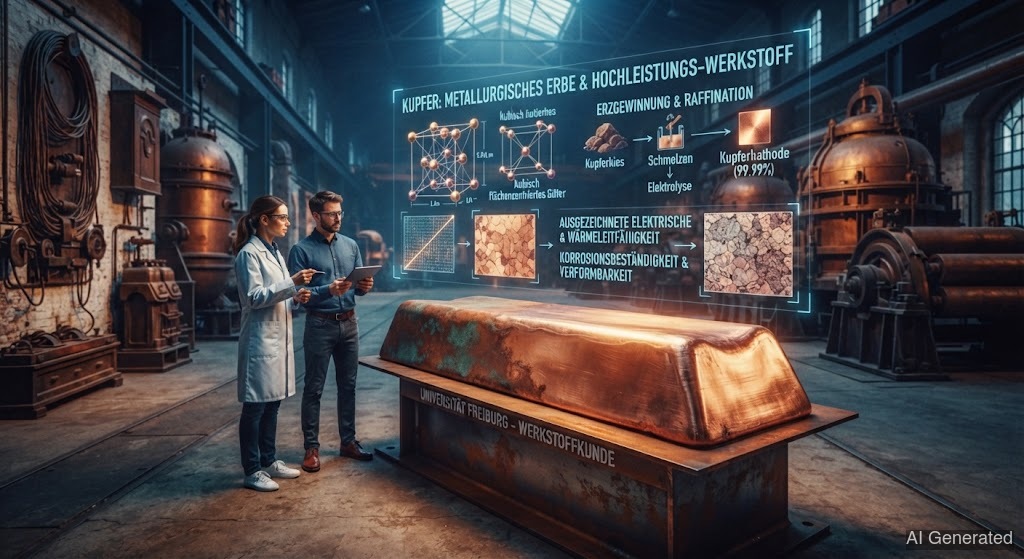 AI generated
Copper impresses with electrical and thermal conductivity as well as corrosion resistance. However, its high thermal conductivity is both a blessing and a curse when : You need lots of energy and preheating. The right copper grade and the appropriate are crucial.
Copper is the conductor par excellence – electrically and thermally. No other common metal conducts heat as well, and that's exactly what makes it a real challenge when : The heat of the flows away immediately into the cold mass of the workpiece before it can properly melt the weld area. That's why copper welding demands: lots of energy, and for thicker sections, generous .
First, the grades. (Cu-OF) and deoxidized copper (Cu-DHP) are the common pure coppers for pipes and heat exchangers. Important: Oxygen-bearing copper (Cu-ETP) must not be welded without further ado – the oxygen combines with hydrogen from the flame to form water vapor, which creates bubbles in the metal. This is called hydrogen disease. For weldments, always use oxygen-free or deoxidized copper.
Then the alloys. (copper-zinc) is the classic for fittings and hardware – but the zinc evaporates at welding temperature. The escaping zinc fumes are not only toxic (), they also leave in the weld. The are the materials for seawater pipes and heat exchangers in shipbuilding. Each family demands its own .
With the bronzes, you first have to distinguish (red bronze) from (yellow bronze) – you can tell them apart by color alone. Tin bronze (, ) is reddish and shimmers with a copper hue. Aluminum bronze (), on the other hand, is golden yellow and looks confusingly similar to – which is why it's often mixed up in everyday practice. Both contain no beryllium and are harmless to health when machining. Quite different is (, ): As little as about 2% makes it as hard as steel while still electrically conductive – ideal for springs, contacts, and spark-free tools. But this very alloy is a hazardous substance, more on that in a moment.
Heat management with bronze – short and intense: Bronze tolerates heat less than you'd think. The key trick is high heat input combined with short duration. You want to melt the spot quickly and move on immediately, rather than lingering. If you "simmer away" with too little power, you destroy the bronze's properties: The alloying elements burn off, and the microstructure suffers. So: plenty of current, short time, work briskly.
⚠️ Beryllium: Hazardous substance! Beryllium and its compounds are toxic and carcinogenic. Grinding, , or polishing beryllium copper produces beryllium-containing dust and fume that permanently damages the lungs – is a recognized occupational disease (BK no. 1110). Therefore: Never dry-grind beryllium-containing parts and never weld without extraction. Work only with extraction, suitable respiratory protection, and wet dust binding. Do not stir up dust with compressed air; instead, pick it up wet or vacuum it with a Class H industrial vacuum. The binding protective measures are set out in the Hazardous Substances Ordinance (GefStoffV) and TRGS 900 – when in doubt, ask the safety officer.
When , three typical pitfalls lurk. First, high thermal conductivity: Without , you won't get proper penetration on thick copper; the weld just "sticks" on top. Second, porosity: Copper dissolves hydrogen in the liquid state, and pores form during solidification – clean, grease-free surfaces and dry are a must. Third, the tendency of certain alloys, which you control via filler selection.
Copper is usually welded with (DC, electrode negative), and for thicker parts also with MIG or stick. As , argon or argon-helium is used – the helium adds extra heat to the weld pool, exactly what the high thermal conductivity would otherwise suck away.