Refractory & Specialty Metals
, , tantalum, niobium, and cobalt – materials for extreme conditions
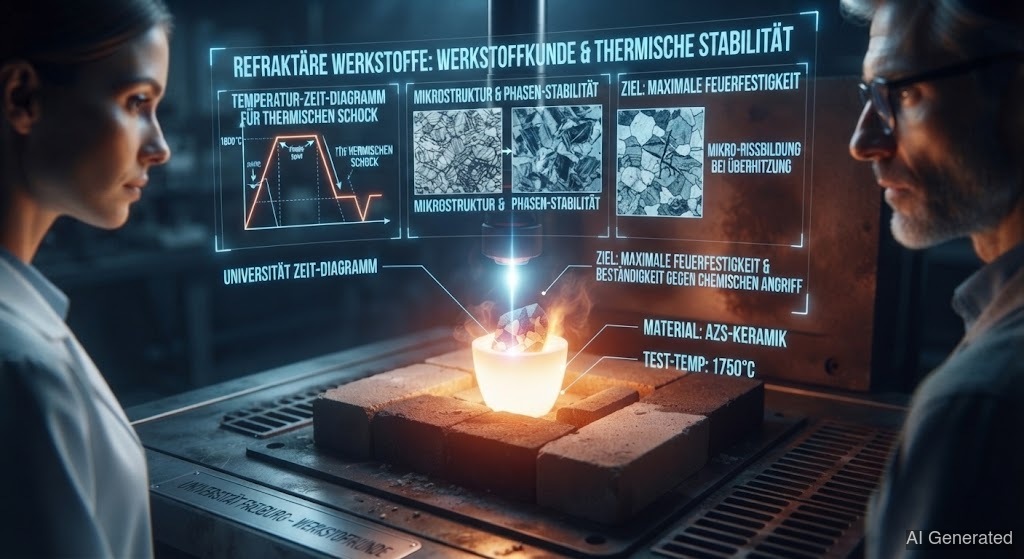 AI generated
Refractory metals like , , tantalum, and niobium only melt at extremely high temperatures. Together with cobalt, they fill niches: filaments, high-temperature furnaces, electronics, and wear protection. They are expensive, hard to weld, and require specialized knowledge.
The refractory metals are the extremists of the periodic table. only melts at 3422 °C – the highest melting point of all metals –, at 2623 °C, and tantalum are also well above 2400 °C. You know from the filament of the light bulb and from the in TIG , from high-temperature furnaces, tantalum from electronics (capacitors), niobium from superconductors and turbines.
is not one of the refractory metals, but it is one of the special metals you come across in practice: as the base of Stellite alloys, it is used for wear protection. Stellite overlays protect valve seats, cutting edges, and grinding tools from abrasion – applied by surfacing welding or plasma spraying.
Why are these materials so hard to weld? Three reasons. First, embrittlement: refractory metals become brittle at high temperatures in the presence of oxygen and nitrogen – and form brittle oxides that attack the grain boundaries. is therefore only possible under perfect or in a vacuum. Second, recrystallization: during , the grain in the coarsens, and and lose their – a tough wire becomes a glass-hard, brittle component. Third, cost: these metals are expensive, mistakes are expensive, and the processes (electron beam, vacuum) are specialized technology.
In practice, you usually only encounter these materials indirectly when – as a in your TIG torch or as a Stellite coating that you repair. Direct of or molybdenum components remains the domain of specialists with electron beam or vacuum technology.